
King County sees rise in unpermitted food vendors
Published 12:37 pm Tuesday, December 2, 2025
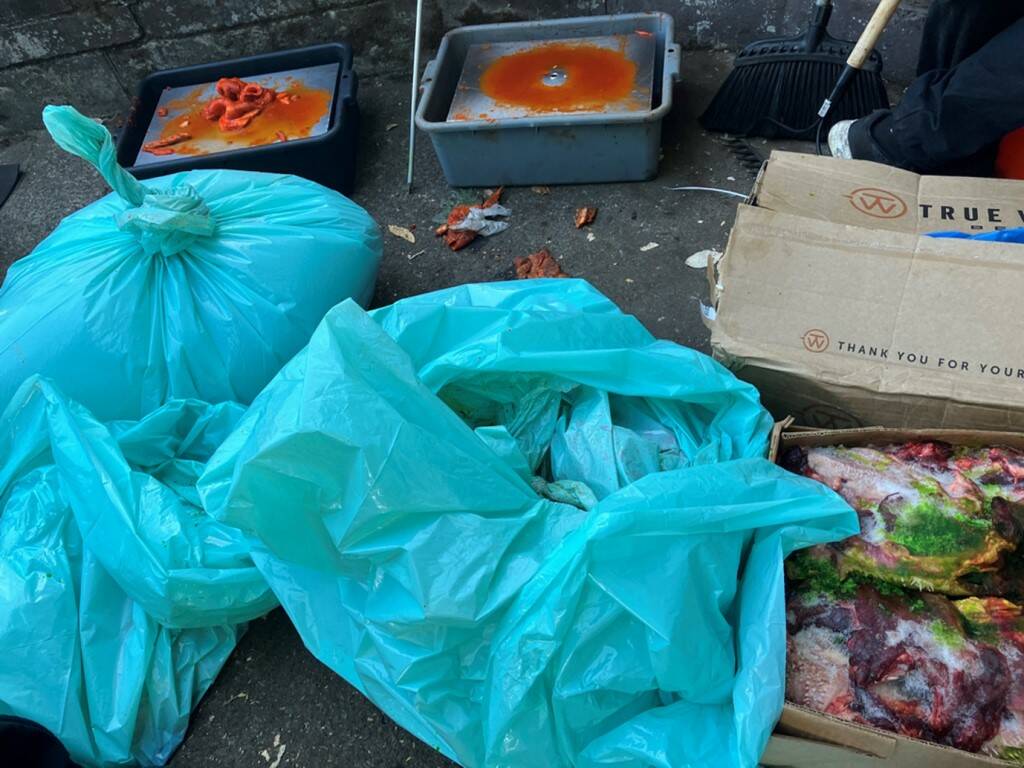




Images of meat that was destined for an unpermitted food vendor in Pierce County, but was left sitting outside, recently caused a stir on the internet. The Tacoma-Pierce County Health Department released photos from “obvious food-safety violations” found at a home that was being used as a kitchen space by multiple unpermitted roadside food vendors.
Health department officials found meat stored outside with flies, no refrigeration and next to bags of trash, while food was also cooking next to the trash. With the police, the health department rendered the food inedible and asked the operators to stop, which was the most they could do without a warrant. The city of Tacoma issued the renters a business license violation.
Like Pierce County, King County has seen an increase in unpermitted vendors.
Kate Cole, a spokesperson for Public Health – Seattle & King County, said they’ve seen a “steep rise” in the number of unpermitted food vendors in the last two years. The department reports there are more than 12,000 food businesses in King County with the proper permit. By early November, the department reported closing more than 200 unpermitted food businesses so far in 2025.
“All food businesses in King County, including food trucks, are required to have a food permit from Public Health – Seattle & King County,” Cole said. “A food business permit means the facility receives regular inspections from one of our food safety inspectors and that they have proper food safety training and facilities like hand-washing facilities and necessary refrigeration.”
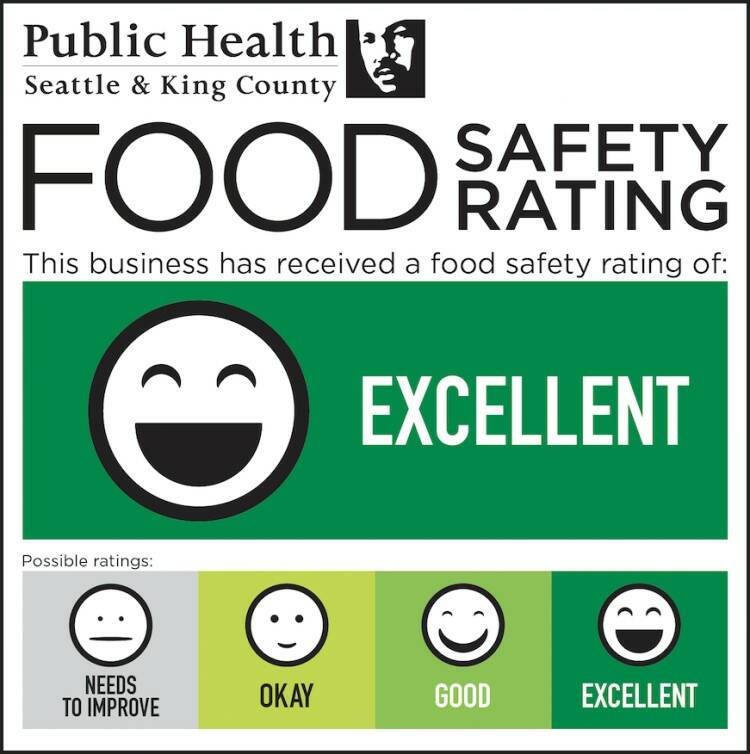
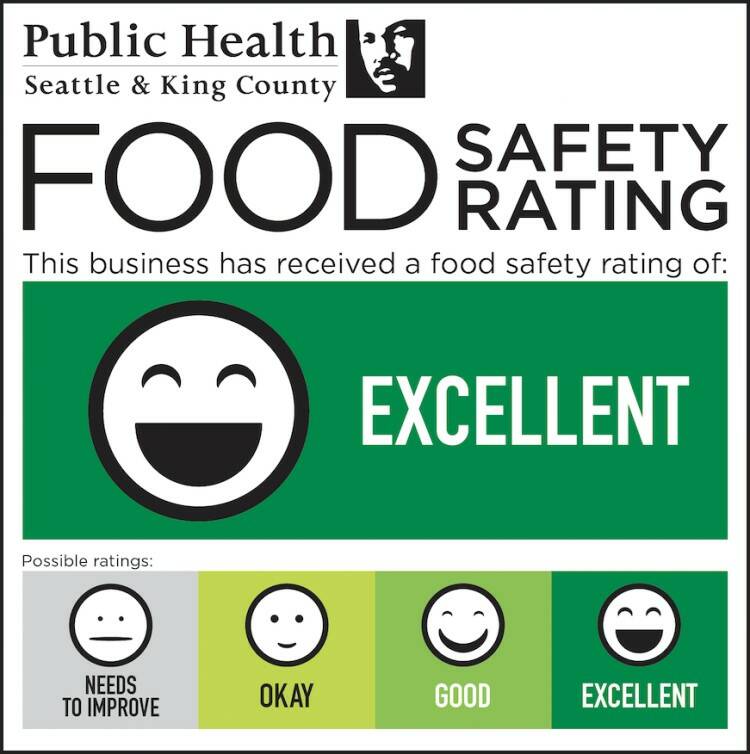
King County expanded its food safety rating signage earlier this year to include mobile food vendors, making it easier to identify permitted vendors who go through the inspection process. The simple smiley-face sign has varying levels of emotes and shades of green for excellent, good, okay and needs to improve ratings in order for patrons to easily identify the vendor’s food safety score. More information on the food safety rating system can be found on the King County website.
“These facilities had always been inspected by our food safety team, but we added the signage so that customers could more easily know which food trucks are permitted and thus follow food safety rules,” Cole said.
Cole said they follow up on every complaint received about unpermitted food vendors, and direct the vendor to close while providing education on how to get permitted.
“We’ve recently invested in many changes to help aspiring vendors obtain permits, including contracting with community organizations to help vendors navigate the permitting process, providing financial assistance with commissary kitchen costs, and hosting permitting outreach events in multiple languages,” Cole said.
Cole said the public is an important partner in stopping these vendors by only eating at permitted food vendors and restaurants with the green smiley-face placard.
“This helps support food establishments that are following food safety best practices, and is a good step toward preventing foodborne illness,” Cole said.
Along with the public health concern, these unpermitted food vendors also unfairly compete with the thousands of businesses that have worked hard to follow food safety rules.
Employees from one local licensed food truck, El Koreano, said these other vendors are a challenge, especially around stadium areas.
“Many operate without following the same health protocols or paying the required fees, which can give them an unfair competitive advantage and impact those of us who follow the rules,” El Koreano lead event coordinator Truong Dang said. “Health officials have had to shut down several pop-up carts for lacking essential facilities like hand-washing stations and proper refrigeration. Stronger enforcement and consistent regulation are crucial to maintain fair competition and food safety.”
Dang called the process of becoming a licensed food vendor “rigorous, but worthwhile.”
“We had to comply with Public Health – Seattle & King County standards, carry liability insurance, and secure a valid street use vending permit to operate in high-traffic areas, such as outside Lumen Field or T-Mobile Park,” Dang said. “Operating legally ensures we pass regular inspections, maintain safe food-handling practices, and build trust with our customers and partners alike.”
Code enforcement
In Renton, for example, the code enforcement team has been actively addressing reports of non-licensed food vendors in the city since early September, according to code compliance inspector Charleen Pleasance.
She said the Renton Police Department and the Renton Regional Fire Authority have been working to provide information packets outlining the requirements and ultimately shutting down vendors if they are unwilling to work through the proper approvals.
“Our role as code enforcement is to educate and enforce within our jurisdiction,” Pleasance said.
Pleasance said a majority of these businesses are “90% of the way to being fully vetted, missing only one or two documents.”
“We have been working directly with those businesses to ensure they are compliant with the relevant codes,” Pleasance said. “At the same time, we continue efforts to address other organizations that continue to pop up after the city has shut down the establishment.”
Pleasance said the city provides reports of these establishments to King County Public Health, but also encourages the vendors to seek a safety rating from the department and maintain an employee hand-washing station.
“This is a regional issue impacting numerous cities,” Pleasance said. “While we at the City of Renton encourage the community to support local establishments, it’s equally important to safeguard residents from foodborne illnesses by ensuring these standards are consistently met.”
Food establishment closures can be found on the King County website, which separates closures by areas. The site lists the reasons the establishment was closed and whether the establishment was reopened. Information for restaurants closed by the health department will remain online for a minimum of seven days after the establishment is reopened.
Unpermitted food vendors and other possible food safety violations can also be reported on the King County website.